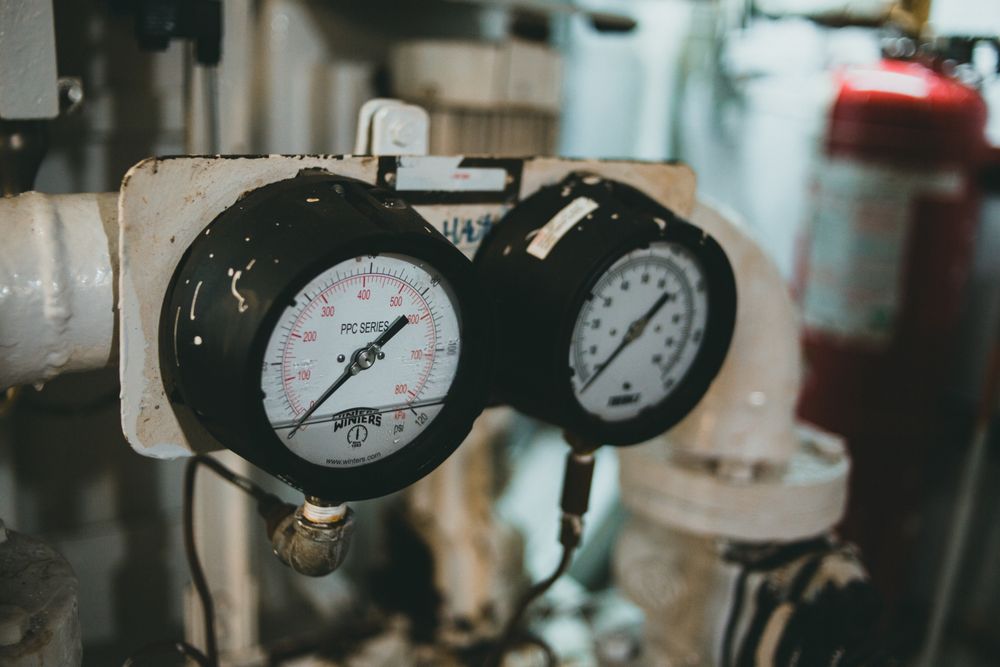
Filters should be changed against measured loading — rising differential pressure across the bank — not a blanket calendar interval, because two identical filters in two different rooms can load at very different rates depending on process, occupancy, and upstream pre-filtration. A programme built purely on hours-run or a fixed calendar date either wastes good filter life or leaves a loaded filter in place past the point where airflow and recovery time have already started to suffer, which is exactly the drift we cover in a companion piece on cascade pressure.
An auditor who can pull one filter’s full history — trigger, replacement, scan, technician — in under two minutes is looking at a programme they will sign off.
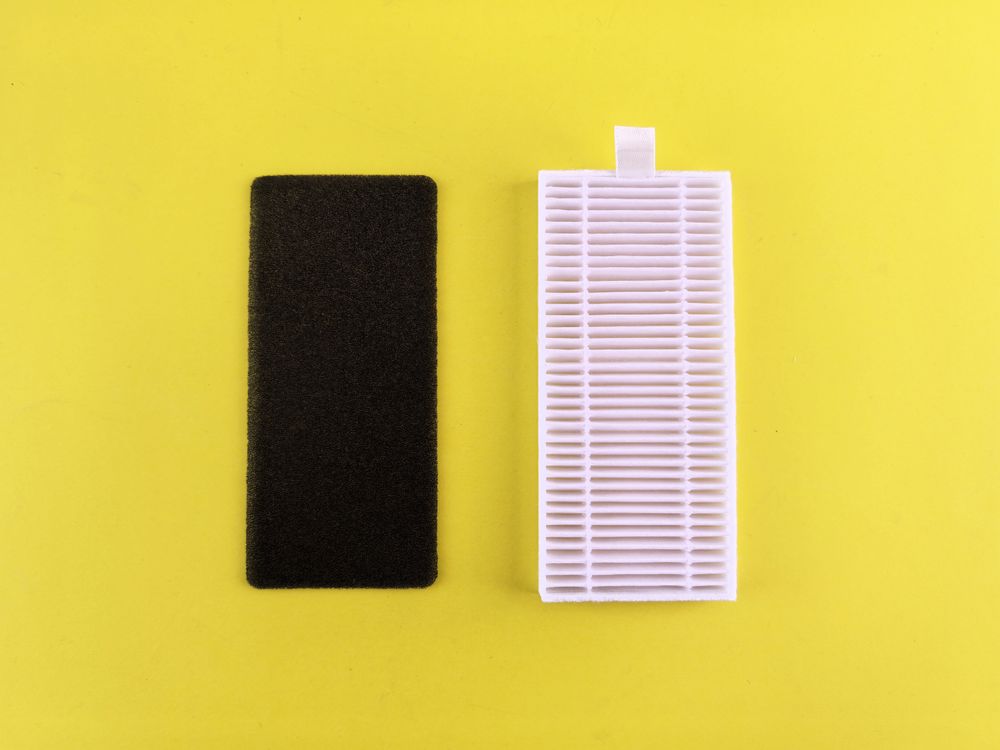
Every replacement needs a documented trail: the differential pressure reading that triggered it, the new filter serial number and its factory certificate, a post-install DOP/PAO leak scan with point-by-point data, and the training record of the technician who performed the change — gowning, no bypassing an interlock to get access, correct torque sequence on the clamping frame. Spare filters themselves need traceability back to a supplier certificate of conformance, stored in a way that protects the media and gasket before installation.
None of this needs to be complicated. It needs to exist, and it needs to be the same technician's signature style and the same format every time rather than whatever the shift happened to write down. An auditor who can pull one filter's full history — trigger, replacement, scan, technician training — in under two minutes is looking at a programme they will sign off. One that requires cross-referencing three separate logbooks is not.
- Trigger changes on measured differential pressure, not a blanket calendar interval
- Every change needs a linked trail: trigger reading, new filter certificate, post-install scan, technician record
- Consistency of format matters as much as the data itself when an auditor is tracing history