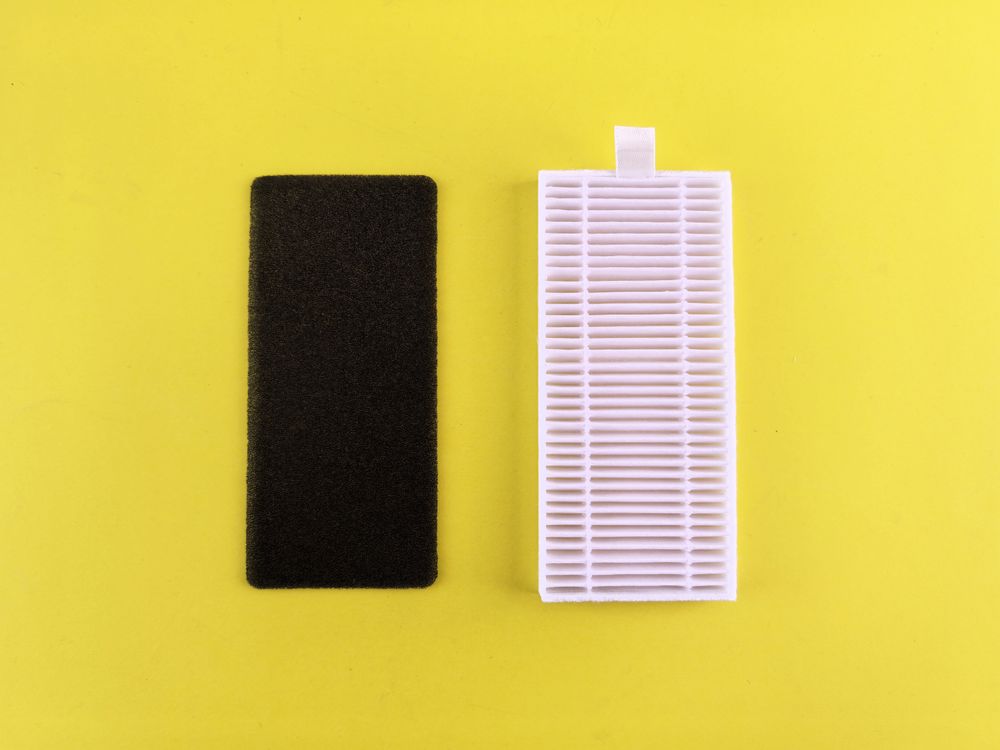
Door seals compress and wear with traffic — an airlock door swept a thousand times a month loses gasket contact well before it looks visibly damaged, and every degraded seal is a leak path the cascade has to fight. Terminal filters load with particulate over time, which raises their resistance and quietly reduces the airflow a fixed-speed fan pushes through them — the room slowly under-delivers relative to its commissioned figure even though nothing has been touched.
None of it shows up as a fault code. It shows up eighteen months later as a pressure reading that has quietly walked from 12 Pa to 6 Pa.
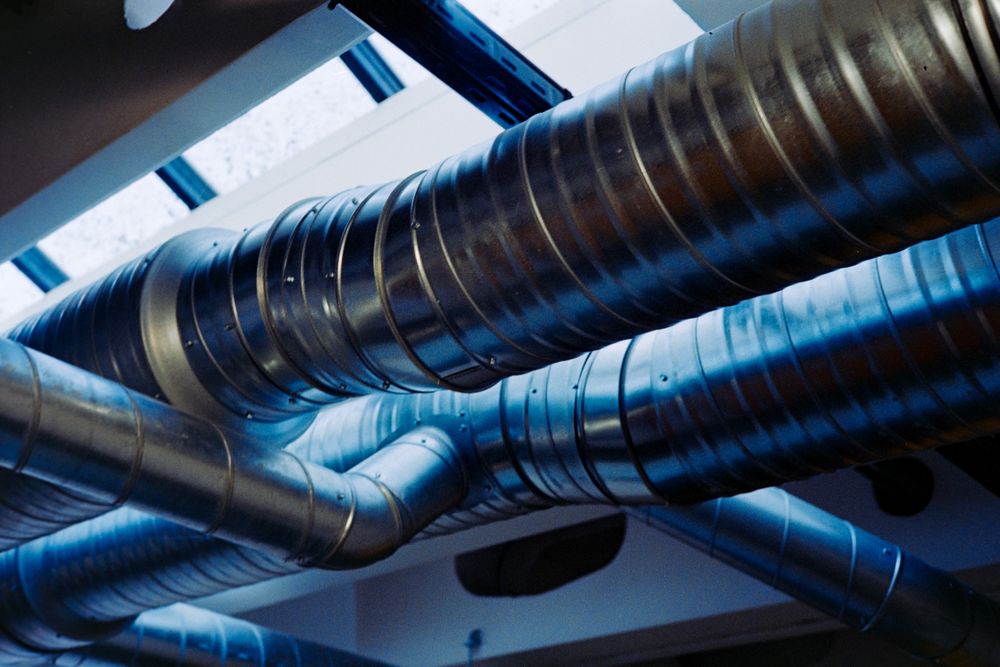
Dampers and VFDs drift too: a volume control damper that was locked at a commissioning setpoint can creep a few degrees over hundreds of thermal cycles, and a VFD left on a fixed frequency rather than a pressure-feedback loop has no way to correct for any of this on its own. None of these show up as a fault code — they show up eighteen months later as a pressure reading that has quietly walked from 12 Pa to 6 Pa.
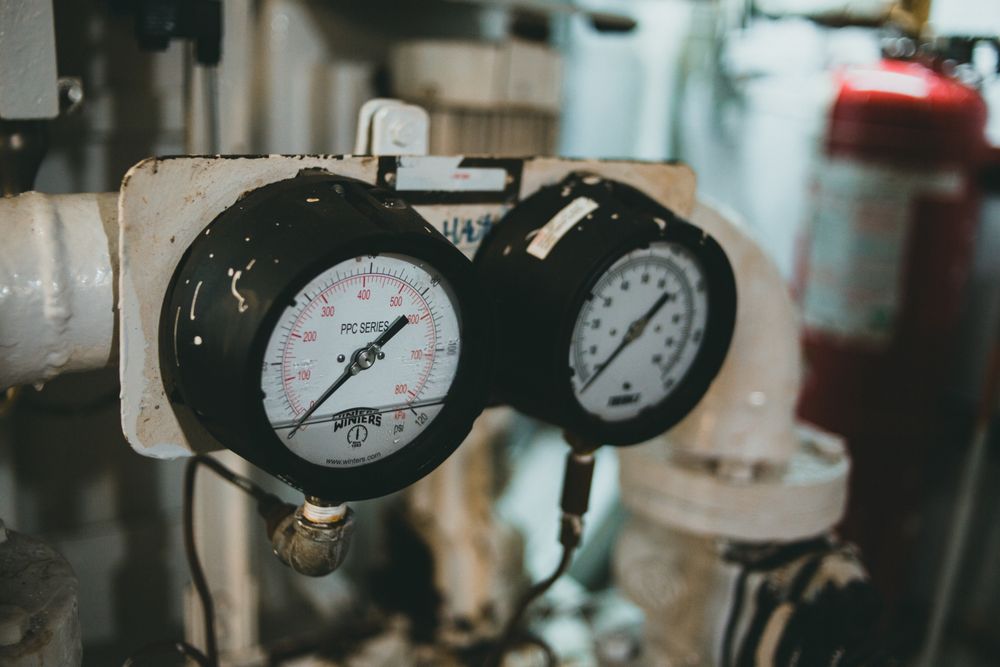
The fix is not usually new equipment. It is a rebalance against the original commissioning data — we schedule that at 12 months and then annually, checking magnehelic and digital gauge readings against calibrated reference instruments at the same time, since an uncalibrated gauge can itself be the whole story. Facilities that skip this step are the ones that fail an inspection on a pressure reading that has been wrong for the better part of a year.
- Door seal wear and filter loading are the two most common causes, not equipment failure
- A fixed-speed fan or a locked damper cannot correct for either on its own
- Rebalance against the original commissioning data at 12 months, then annually