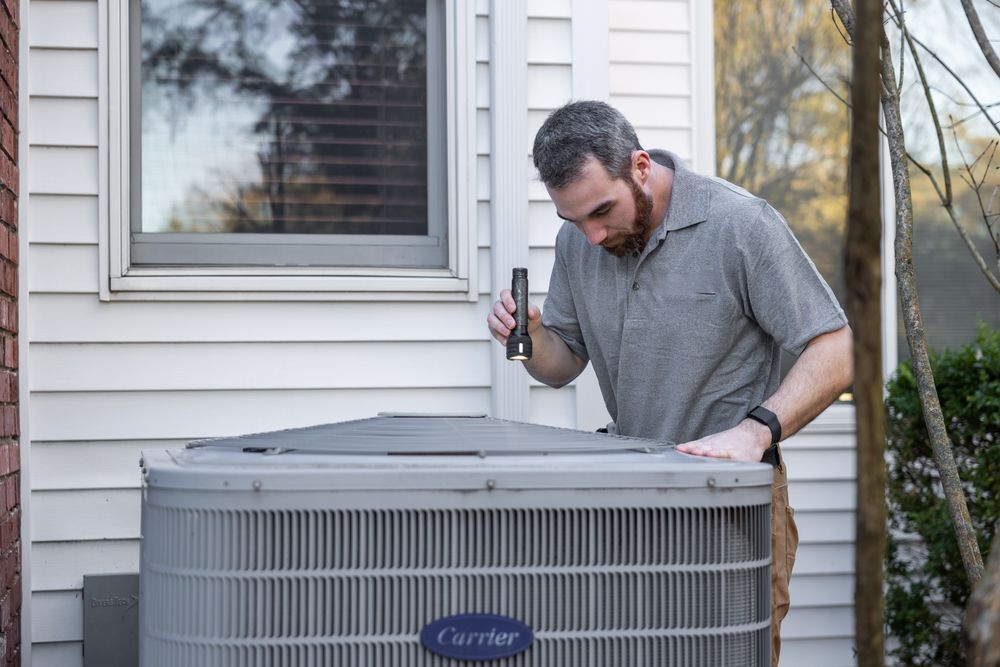
Direct expansion (DX) units are simpler to install, cheaper up front, and need no chilled water infrastructure — a real advantage for a single standalone room or a smaller retrofit. Their weakness is latent load control: a DX coil at a fixed evaporating temperature has a fixed sensible heat ratio, which makes holding a tight relative humidity setpoint (45% RH ± 5, say, in a hygroscopic packaging area) far harder without adding reheat or a dedicated dehumidification stage, and refrigerant charge limits under most classified-space fire codes cap how large a single DX system can get.
A DX coil has a fixed sensible heat ratio. Chilled water with reheat gives you temperature and humidity as two separate dials.
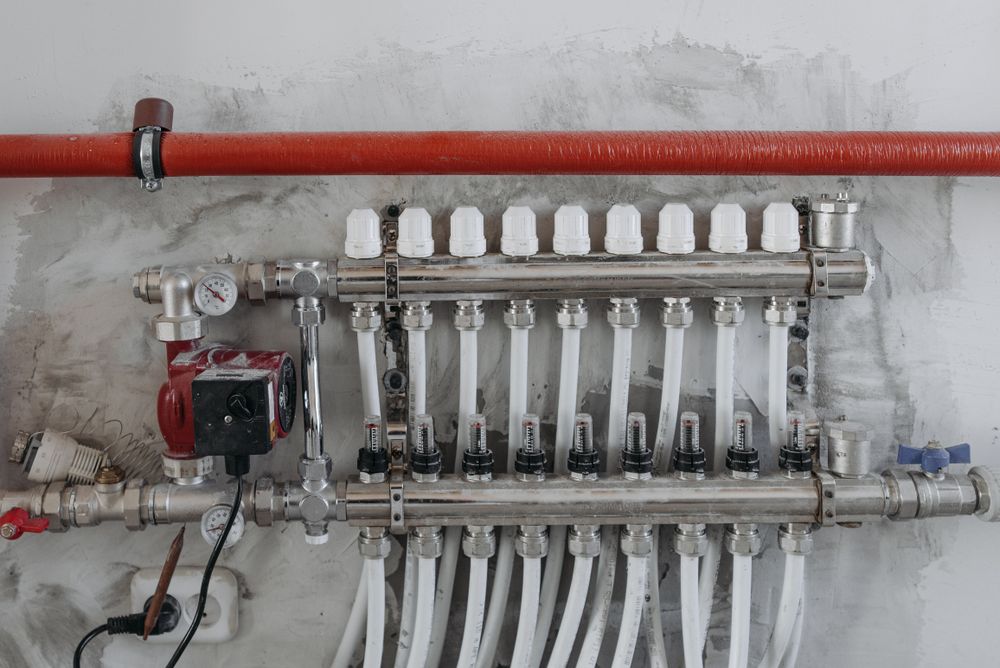
Chilled water air handling units decouple cooling capacity from humidity control — a cooling coil fed from a stable chilled water loop, followed by reheat, gives independent control of temperature and RH, which is why almost every multi-room GMP facility with a real humidity specification ends up on chilled water. The trade-off is upfront cost and complexity: you are now designing and maintaining a chiller plant, pump sets, and distribution headers, typically sized N+1 for redundancy, rather than a self-contained package unit.
Our rule of thumb: DX for a single room or a facility with no existing chilled water loop and a humidity tolerance wider than about ±10% RH; chilled water for anything multi-room, anything with a tight RH specification, or anything where a single point of mechanical failure taking down cooling is not an acceptable risk.
- DX: lower upfront cost, simpler, but limited latent (humidity) control
- Chilled water: decouples temperature and RH control, but commits you to plant redundancy
- Tight RH tolerance or multi-room scope almost always points to chilled water